Profile
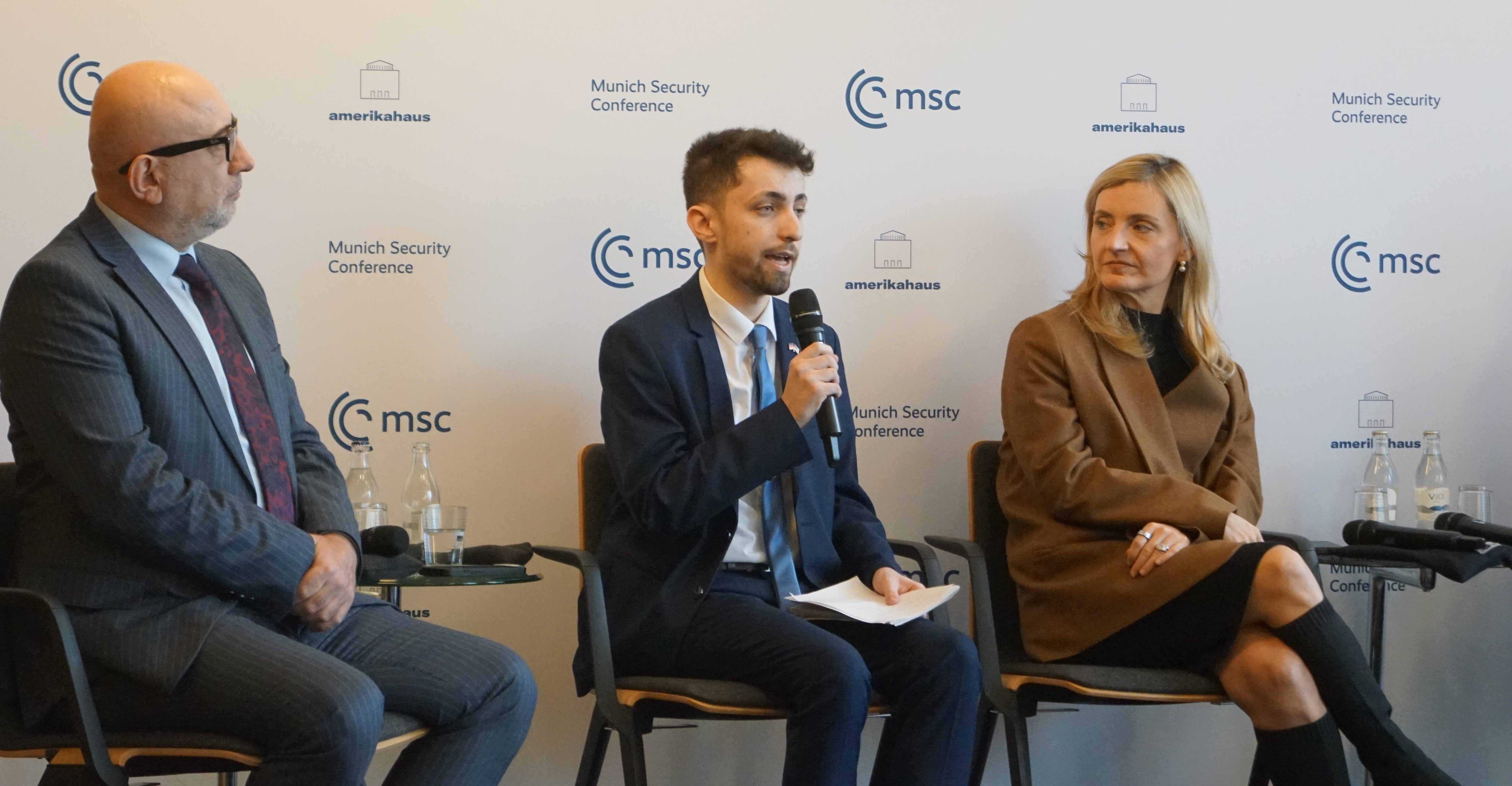
Oliver Rausch, born in 2004, comes from Munich, Germany and is currently pursuing his undergraduate degree in Political Science and History at Ludwig Maximilian University in Munich. In foreign and security policy, he has found his deep passion – with a particular focus on the transatlantic partnership. As Vice President of the Young Transatlantic Initiative, he actively promotes these relations, leading the organization of study trips and events, including engagements at foreign ministries in European capitals, major international and security institutions in Europe and the United States, while frequently representing the organization in official capacities. Most recently in 2026, he organized and moderated a high-level side event panel at the Munich Security Conference, bringing together high-end political leaders and policy experts to discuss key transatlantic and security policy challenges.
The Future of Diplomacy
… is interest-based
Diplomacy must be guided by clear national and collective interests. Values gain weight only when anchored in strategic priorities ensuring security, prosperity and stability. Only by pursuing diplomacy rooted in pragmatism and real interests, the free world can maintain its strength and credibility.
… is free
Freedom is the essence of a secure and prosperous global order. Only a world rooted in liberty, free market economy and free trade allows nations and individuals to thrive. This is why I advocate for open trade and a strong Western community committed to defending and advancing these principles around the world.
… is confident
Credible assertiveness is the most effective deterrent to aggression. If the free world fails to project resolve, hostile actors will fill the vacuum. This is why I support a policy of „peace through strength“ and a willingness to escalate, crossing the red lines of our enemies before they cross ours.
… is young
The future is best shaped by the voices of those who will experience it, bringing fresh perspectives, bold ideas and deeper commitment to the process. A stronger representation of youth in decision-making fosters a rich, intergenerational dialogue that bridges practical experience with fresh perspectives.
 Oliver Rausch